Recycled and upcycled materials have moved from a niche design choice to a mainstream procurement option in hospitality furniture, driven by improving material quality, growing guest interest in sustainability stories, and genuine performance gains in recycled material technology. This guide explains the distinction between recycled and upcycled approaches, where each performs well in hospitality settings, and how to evaluate quality and durability claims.

1. Recycled vs Upcycled: Understanding the Distinction
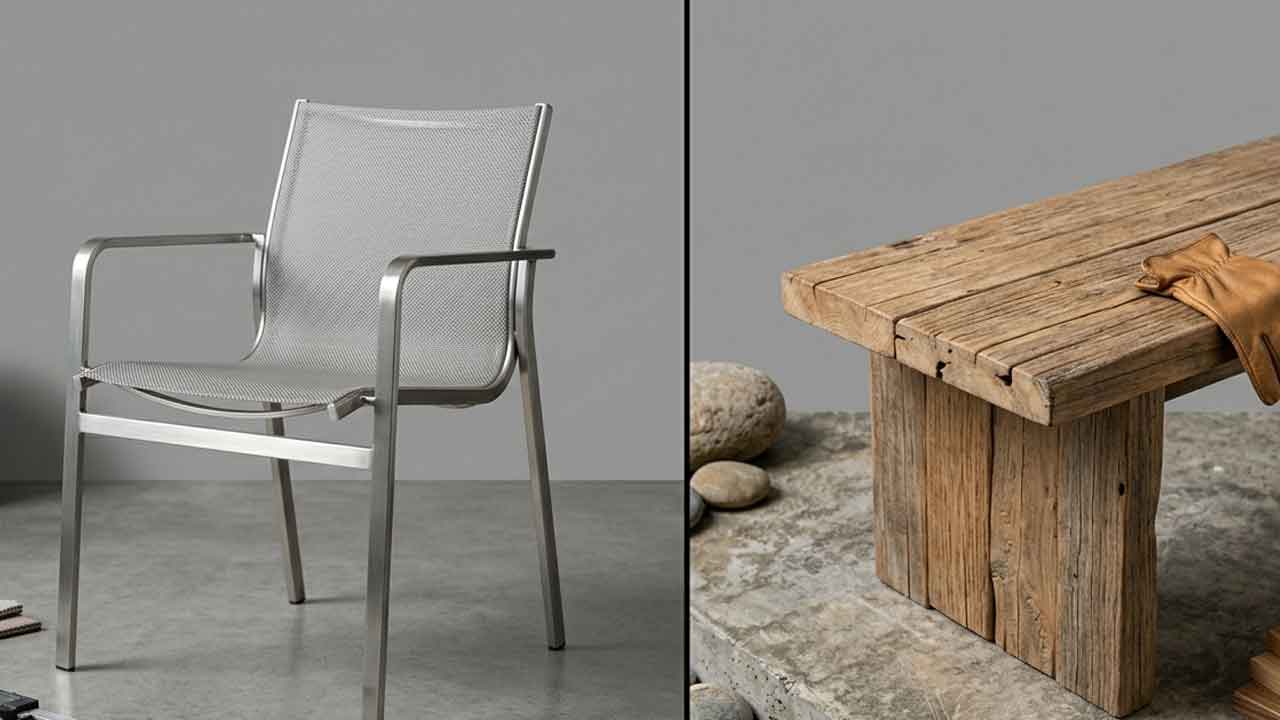
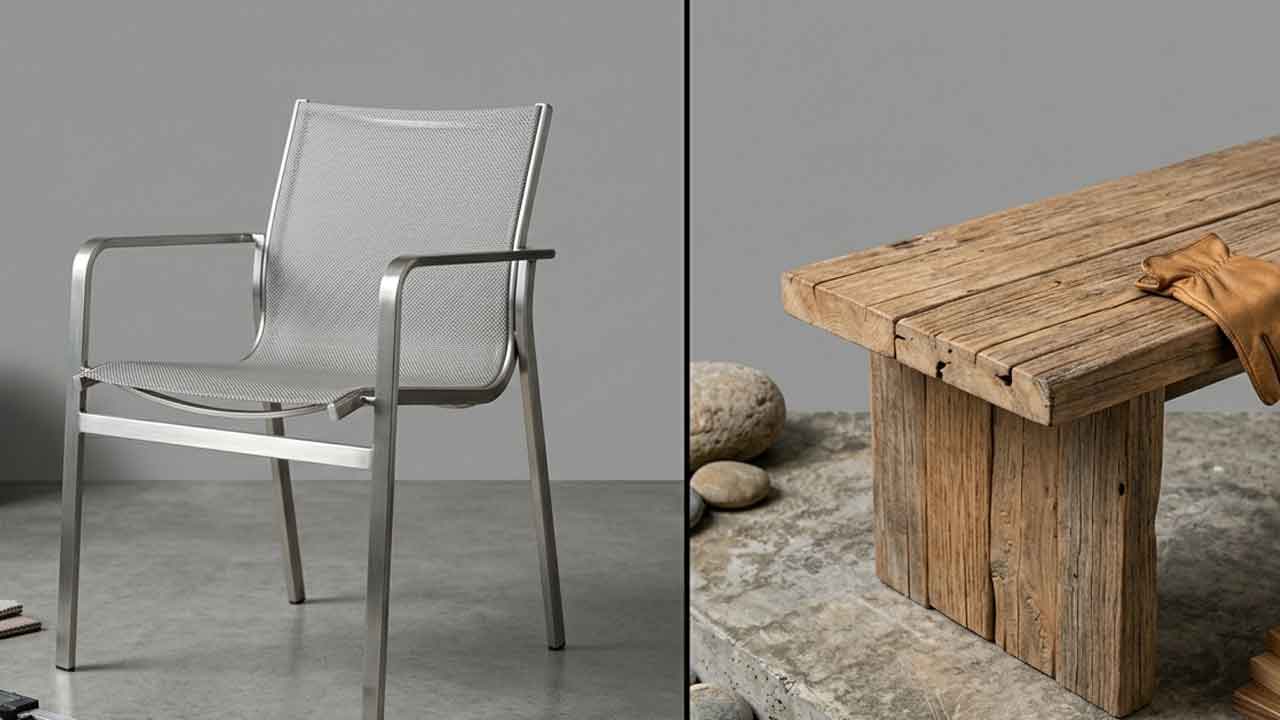
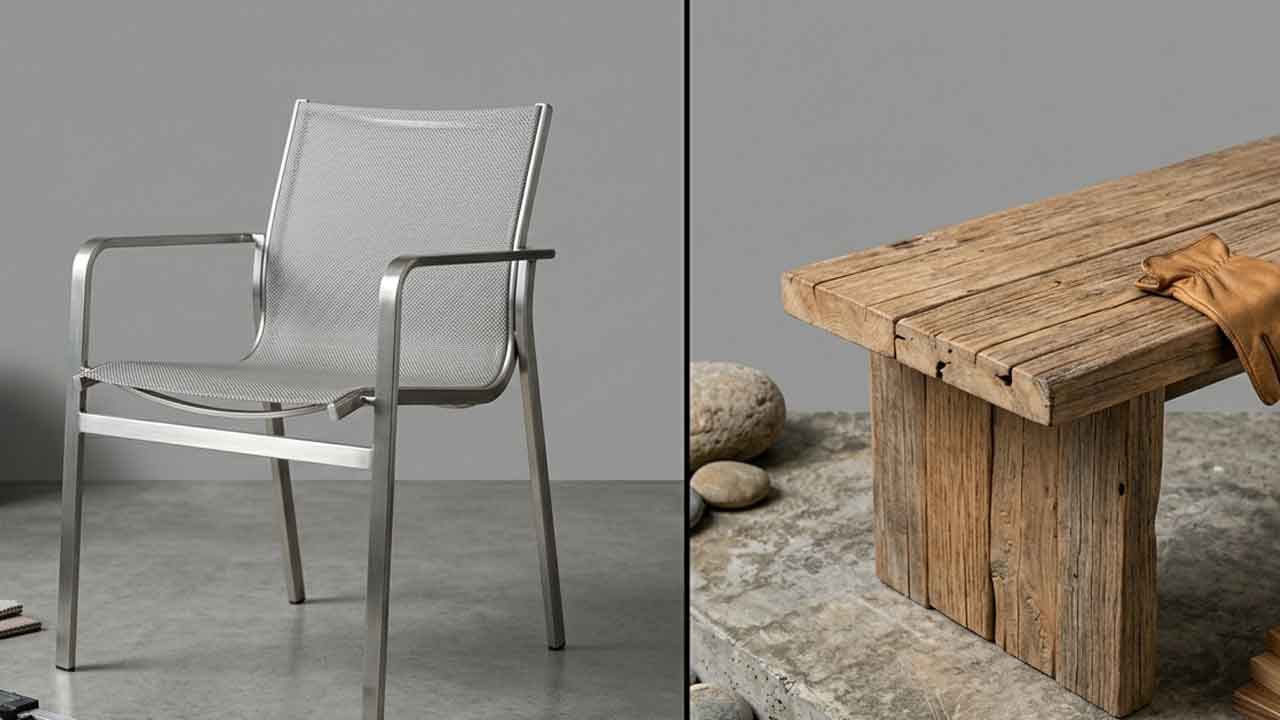
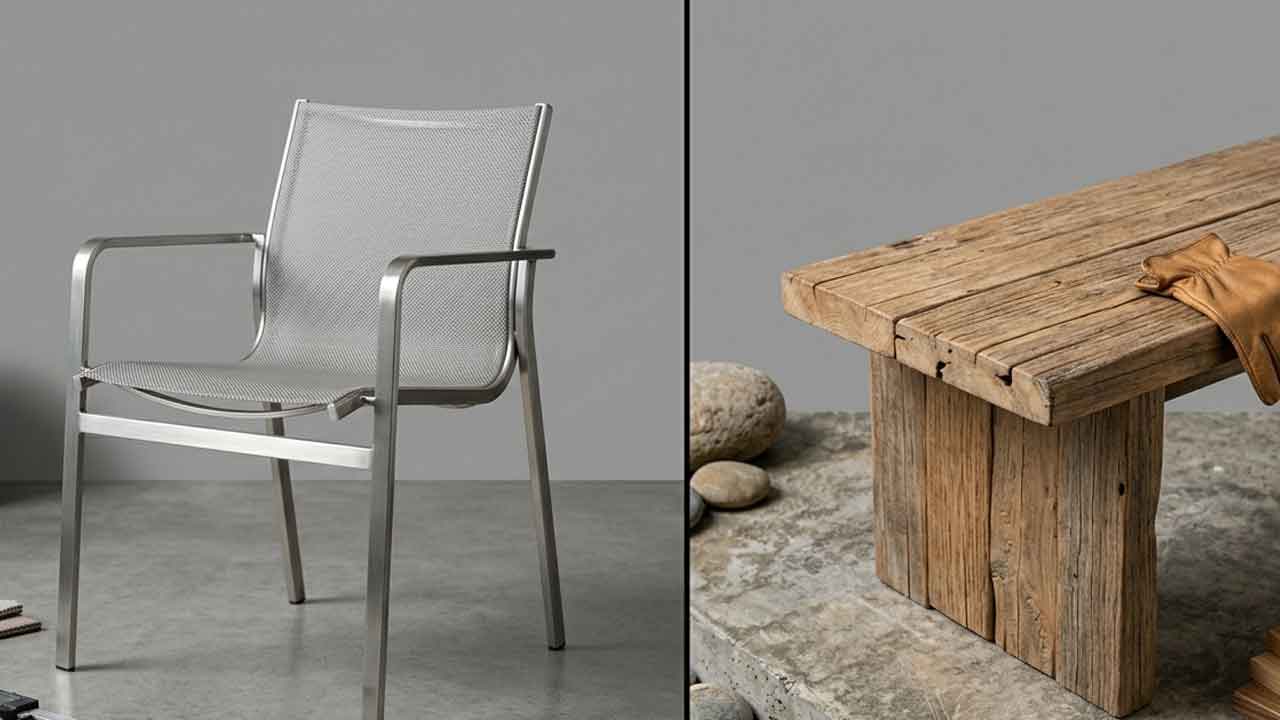
Recycled materials are broken down and reprocessed into new raw material, recycled aluminum, recycled plastic resin, or recycled fiber for textiles, for example, which is then used to manufacture new products through standard production processes. Upcycled materials, by contrast, take existing objects or materials and repurpose them with minimal reprocessing, often retaining visible character from their original form.
Both approaches reduce reliance on virgin material extraction, but they suit different applications: recycled materials generally integrate seamlessly into standard manufacturing, while upcycled pieces often carry distinctive, sometimes one-of-a-kind character well suited to statement furniture rather than large-volume, identical-unit orders.

2. Recycled Materials Now Performing at Commercial Grade
Recycled aluminum and steel perform essentially identically to virgin material in furniture applications, since the recycling process doesn't meaningfully degrade these metals' structural properties. Recycled plastics and synthetic textiles have also improved significantly, many recycled polyester fabrics, for instance, now meet the same durability and Martindale ratings as virgin equivalents, making them viable for genuine commercial hospitality use rather than just decorative applications.
When evaluating recycled material furniture, ask suppliers for the same durability documentation you'd request for any commercial-grade product, recycled content shouldn't mean accepting lower performance standards.
Interested in recycled or upcycled furniture options?
P&M Furniture can source materials with recycled content that meet commercial hospitality durability standards.
Browse Our Furniture →3. Where Upcycled Furniture Works Best in Hospitality
Upcycled pieces, reclaimed wood tables, repurposed industrial elements, restored vintage furniture refinished for commercial durability, work particularly well as statement pieces in boutique hotels, independent restaurants, and concept-driven hospitality brands building a distinctive identity around sustainability storytelling.
Because upcycled pieces are often one-of-a-kind or limited in quantity, they're generally less suited to large-scale, identical-unit orders (200 matching guestroom chairs, for example) than to smaller numbers of feature pieces in lobbies, restaurants, or other guest-facing focal points.

4. Evaluating Quality and Durability Claims
Don't assume recycled or upcycled automatically means lower quality, but also don't assume sustainability framing exempts a product from normal due diligence. Request the same documentation you'd ask for from any furniture purchase: material specifications, durability testing where applicable, and warranty terms.
For upcycled pieces specifically, ask about the refinishing process used to bring reclaimed materials up to commercial-grade standards, proper structural reinforcement and appropriate finishing matter as much for an upcycled table as for any newly manufactured piece.

5. Communicating Recycled and Upcycled Sourcing to Guests
Both recycled and upcycled materials can support genuine storytelling opportunities within hospitality design, guests increasingly appreciate understanding the material story behind furniture they encounter, particularly in concept-driven or boutique properties. Keep claims specific and accurate (recycled content percentage, the material's prior life for upcycled pieces) rather than relying on vague sustainability language.

Your Recycled & Upcycled Materials Checklist
- Understood the distinction between recycled (reprocessed material) and upcycled (repurposed objects)
- Matched recycled materials to large-volume orders, upcycled pieces to statement/feature applications
- Requested standard durability documentation regardless of recycled/upcycled framing
- Confirmed refinishing quality for any upcycled pieces brought up to commercial standards
- Prepared accurate, specific guest-facing language about material sourcing
Recycled and upcycled materials offer genuine sustainability and storytelling value when sourced and evaluated carefully. At P&M Furniture, we help hospitality buyers identify the right approach for their specific furniture needs. Contact our team to discuss your project.
Related Services
More From Our Blog
About P&M Furniture
P&M Furniture is a HoReCa furniture and interior design specialist, helping hotels, restaurants, and cafés across Europe create spaces that are both beautiful and built to last. From custom-made furniture to complete interior concepts, our team supports every step of your project, from the first idea to final installation.
Exploring recycled or upcycled furniture for your property?
Talk to our team about sustainable material options that meet commercial standards.
Request a Quote →