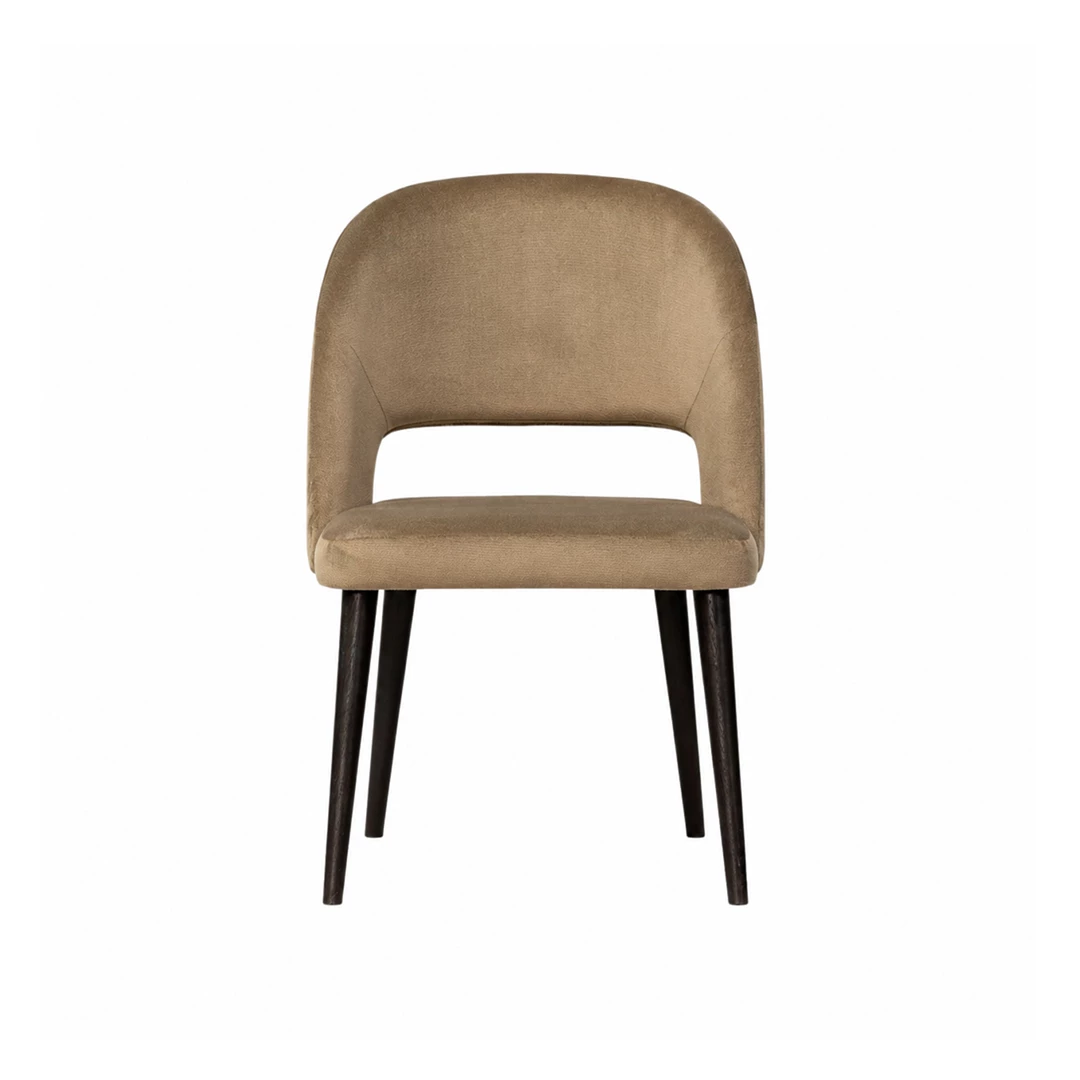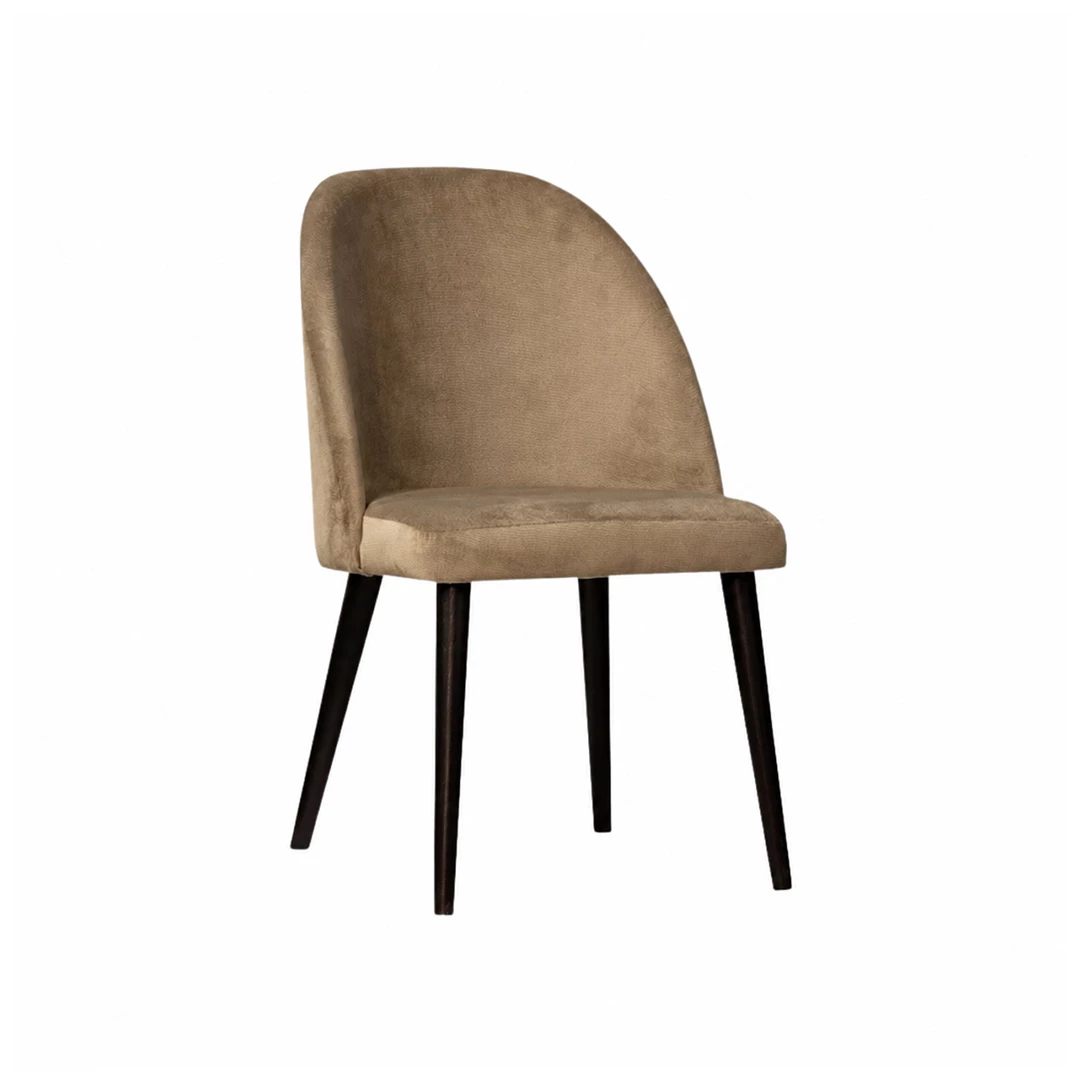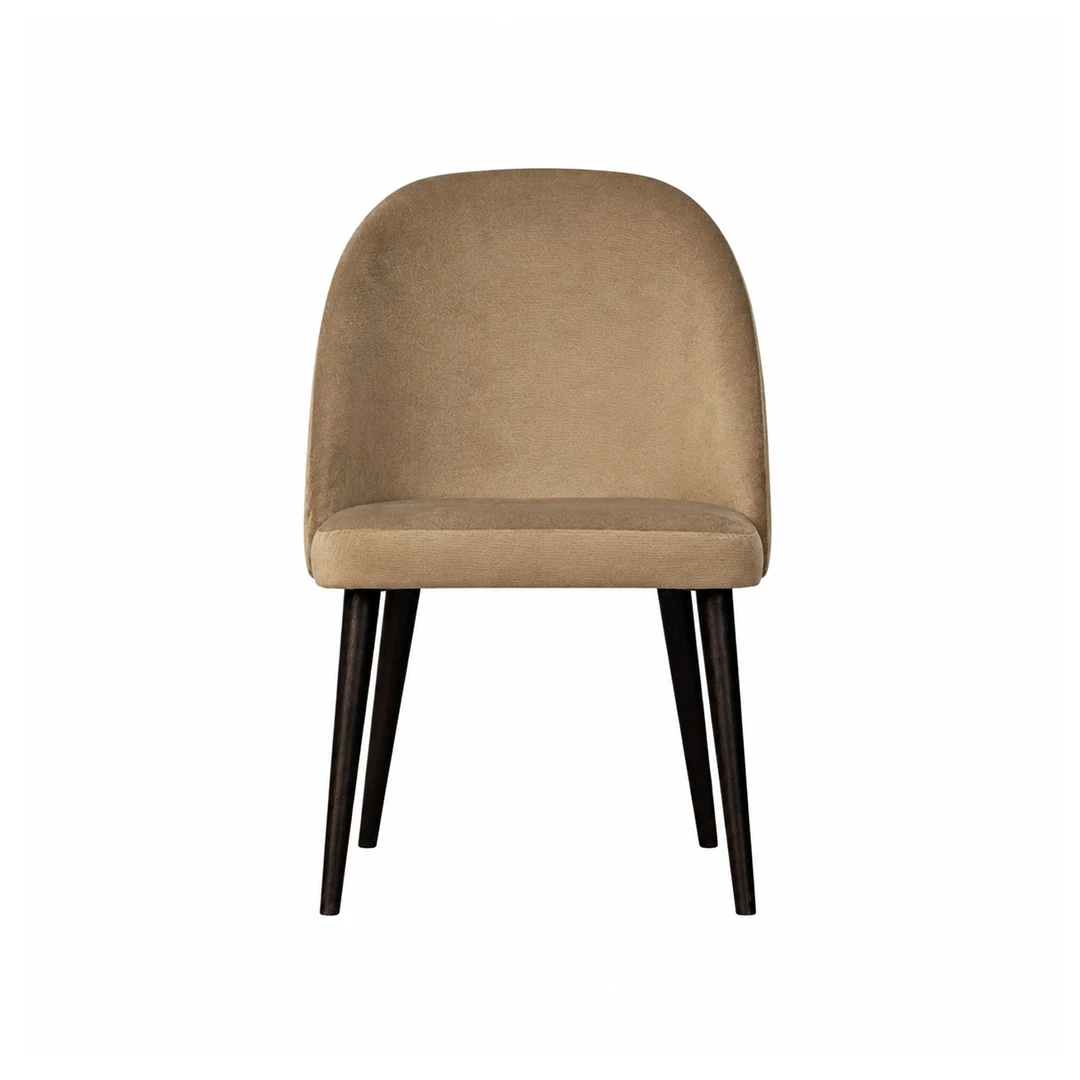
Do you have a question about our hospitality furniture or would you like more information about the available options? Simply complete the contact form below. One of our advisors will contact you as soon as possible to answer your question and assist you further.
Hospitality chairs are specifically designed for commercial environments, making them a reliable investment for restaurants, hotels and cafes. Their main advantage lies in their strength and stability. Built for constant use and placed usually at tables or combinations of table bases and tops, they maintain their structure and appearance even in high-traffic spaces. Another benefit is comfort tailored to longer seating periods. Ergonomic shapes and supportive backrests encourage guests to relax and enjoy their visit. A positive experience can lead to increased customer satisfaction and better reviews. In addition, hospitality chairs always meet the industry standards for safety. This provides peace of mind for business owners, while ensuring compliance with local regulations. Choosing professional hospitality seating helps create a welcoming, functional, space that efficiently supports daily operations.
Selecting the right restaurant chairs or bar chairs requires careful planning. The first step is to evaluate the available space and layout. Chairs should fit comfortably around tables while allowing smooth movement for guests and staff. Seat height, back support and overall dimensions must align with the table design to ensure proper posture and comfort. Another key factor is durability. In busy dining environments, restaurant chairs are used daily and must withstand frequent movement, cleaning and stacking. Thus, a sturdy construction and easy-to-maintain surfaces are ideal. Weight is also important, since the chairs need to be light enough to be easily moved, yet stable enough to feel secure. Finally, the target audience needs to be considered. A fine dining venue may require refined, supportive seating, while a casual café might benefit from lighter, more flexible options. The right choice balances practicality, comfort and long-term value.
The customisation process allows creating hospitality chairs that reflect the brand identity of the place. The wide selection of options includes a variety of frame finishes, professional upholstery fabrics and colours to match each interior design. Our extended chair collection includes indoor chairs, terrace side chairs and terrace arms chairs. Whether bold tones or neutral shades, the right combination enhances the visual consistency of the location. Materials can also be chosen from a wide range, in order to include stain-resistant fabrics, easy-clean surfaces or reinforced joints for added durability. For venues with specific themes, elements like custom stitching, piping or decorative details can add a distinctive touch. Another customisation option is represented by the included functional features. Stackable designs, protective floor glides or specific seat padding levels ensure each of the hospitality chairs meets the operational requirements. With the right customisation choices, the seating becomes both practical and uniquely aligned with each concept.

| Monday | 09:00 - 17:00 |
| Tuesday | 09:00 - 17:00 |
| Wednesday | 09:00 - 17:00 |
| Thursday | 09:00 - 17:00 |
| Friday | 09:00 - 17:00 |
| Saturday | Closed |
| Sunday | Closed |